The Lifespan of Various Siding Materials
Siding plays a crucial role in protecting a home from weather, moisture, and temperature changes. Different siding materials offer different levels of durability, maintenance requirements, and longevity. Understanding the typical lifespan of common siding options; such as vinyl siding, wood siding, and metal wrapping. BOS Home Exterior in Virginia Beach can help homeowners make informed decisions about installation, maintenance, and replacement of their homes siding.
Vinyl Siding
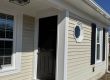
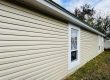
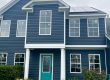
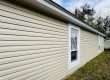
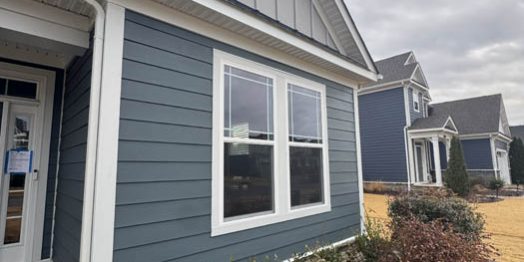
Vinyl siding is one of the most widely used exterior cladding materials due to its affordability, durability, and low maintenance requirements. Made from PVC (polyvinyl chloride), vinyl siding is designed to resist moisture, insects, and many weather-related issues. While vinyl siding is durable, it can crack or become brittle in extremely cold temperatures and may be damaged by impact from debris during storms.
Typical lifespan:
Vinyl siding generally lasts 20 to 40 years, depending on the quality of the material and how well it is maintained.
Factors that affect longevity include:
- Weather exposure: Prolonged exposure to intense sunlight, strong winds, and severe storms can cause fading, cracking, or warping over time.
- Installation quality: Proper installation allows the siding to expand and contract with temperature changes without buckling.
- Maintenance: Although vinyl siding is low maintenance, occasional cleaning helps prevent buildup of dirt, mold, and mildew.
Wood Siding
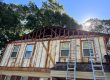
Wood siding offers a classic, natural appearance that many homeowners prefer for its warmth and architectural character. Although wood siding requires more upkeep than many other materials, many homeowners appreciate its timeless aesthetic and the ability to refinish or repair individual sections. It is commonly available in forms such as clapboard, shingles, and board-and-batten styles.
Typical lifespan:
With proper maintenance, wood siding can last 20 to 40 years, and in some cases even longer.
Factors influencing its lifespan include:
- Regular maintenance: Wood siding requires periodic painting, staining, or sealing to protect it from moisture and UV exposure.
- Moisture control: Without proper sealing, wood can absorb water, leading to rot, warping, or mold growth.
- Pest exposure: Wood siding may be vulnerable to insects such as termites if not properly treated.
- Climate conditions: Areas with high humidity, heavy rainfall, or large temperature swings can accelerate wear.
Metal Wrapping (Aluminum Trim Wrapping)
Metal wrapping (often made from aluminum) is commonly used to cover exterior wood trim around areas like windows, doors, fascia boards, and soffits. This process involves bending and installing thin sheets of metal over existing wood components to protect them from the elements. However, metal wrapping can sometimes dent from hail or debris, and improper installation may allow moisture to become trapped behind the metal.
Typical lifespan:
Aluminum wrapping can last 30 to 50 years when properly installed.
Benefits that contribute to its longevity include:
- Moisture protection: Metal wrapping shields underlying wood from rain and snow, preventing rot and decay.
- Low maintenance: Unlike exposed wood trim, wrapped surfaces do not require frequent painting.
- Weather resistance: Aluminum resists rust and corrosion while standing up well to wind and temperature fluctuations.
Siding Lifespan Comparison Table
| Siding Material | Typical Lifespan | Maintenance Level |
|---|---|---|
| Vinyl Siding | 20–40 years | Low |
| Wood Siding | 20–40+ years | Moderate to High |
| Aluminum Metal Wrapping | 30–50 years | Low |
Siding Repair in Virginia Beach
Choosing the right siding material involves considering more than just appearance. Longevity, maintenance requirements, climate conditions, and installation quality all play important roles in how long your siding will last. Call the siding professionals from BOS Home Exterior today and let us help you choose the correct siding for you! Call Today! 757-202-1035